
Luxury Grade Rugs
1. Introduction
Rugs have been crafted for thousands of years, reflecting centuries of artistry, culture, and skilled craftsmanship. Handmade rugs are valued for their uniqueness, superior quality, timeless appeal, and luxury, while machine-made rugs, which emerged in the late 19th century with the advent of power looms, offer consistent designs, durability, affordability, and practicality—making quality rugs accessible to every home.

2. All Rug Types & their level of luxury
Not all rugs are the same, and their level of luxury depends on craftsmanship, materials used, durability, and appearance—which together ultimately define their price. The Rug Mart “Luxury Grade” provides a clear structure to position rugs from around the world on the luxury ladder, making it easier to compare, evaluate, and choose the right rug for your space. Those seeking luxury and long-term value may prefer a handmade rug, while those focused on practical lifestyle choices may find a machine-made rug ideal for everyday use.
Luxury Grade Chart
| Luxury Grade | Level of Luxury | Area Rug Type | Material | Durability (Lifespan) | Resale Value | Trafic Endurance | Quality |
|---|---|---|---|---|---|---|---|
| AAA | Master-Piece Rugs | Hand-Knotted | Silk | 50-120+ years | 50 - 100+ % | Low | High Knotted |
| AA | Ultra Luxury Rugs | Hand-Knotted | Wool & Silk | 25-50+ years | 30 - 60 % | Medium | Medium Knotted |
| A | Luxury Rugs | 1. Hand-Knotted 2.Hand-Woven | Wool | 15-25+ years | 10 - 30 % | High | Low Knotted |
| B | Premium Rugs | Machine-Woven | Bamboo Silk, Viscose, Triexta, Acrylic | 8-15+ years | 5 - 15 % | High | High Density |
| C | Standard Rugs | Machine-Woven | Acrylic, Polyester, Polypropelene | 5-10+ years | 0 - 5% | Medium | Medium Density |
| D | Basic Rugs | 1.Machine-Woven 2.Machine-Tufted | Polyester, Polypropylene | 3-6+ years | n/a | Low | Low Density |
Please note: Our chart excludes hand-loomed, hand-tufted, and machine-printed rugs because they lack the durability found in the other categories we offer.
3. Design & Style
Handmade rugs are known for labor-intensive craftsmanship — the more intricate the design or pattern, the greater the skill and time required, which increases the rug’s value. Machine-made rugs, in contrast, can reproduce intricate designs more quickly and at a lower cost, making high-detail aesthetics more widely available.
Rugs are generally categorized into three main design types:
- Floral – Inspired by nature, featuring flowers, leaves, and vines
- Geometric – Symmetrical shapes, lines, and patterns
- Contemporary – Modern, abstract, minimalist, or unconventional designs
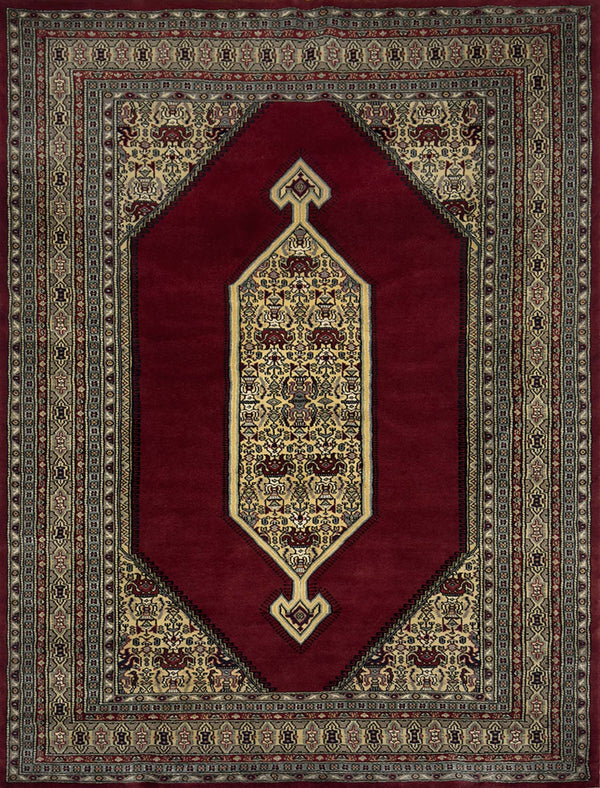
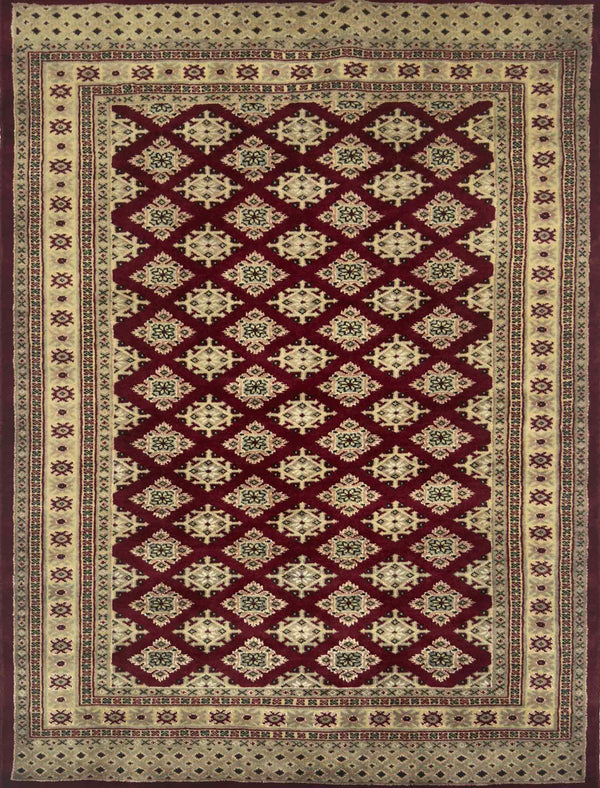
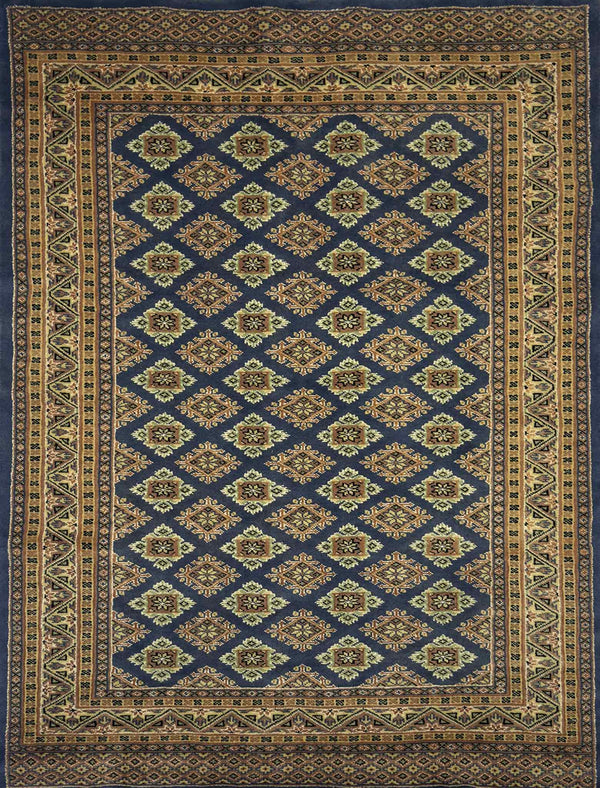
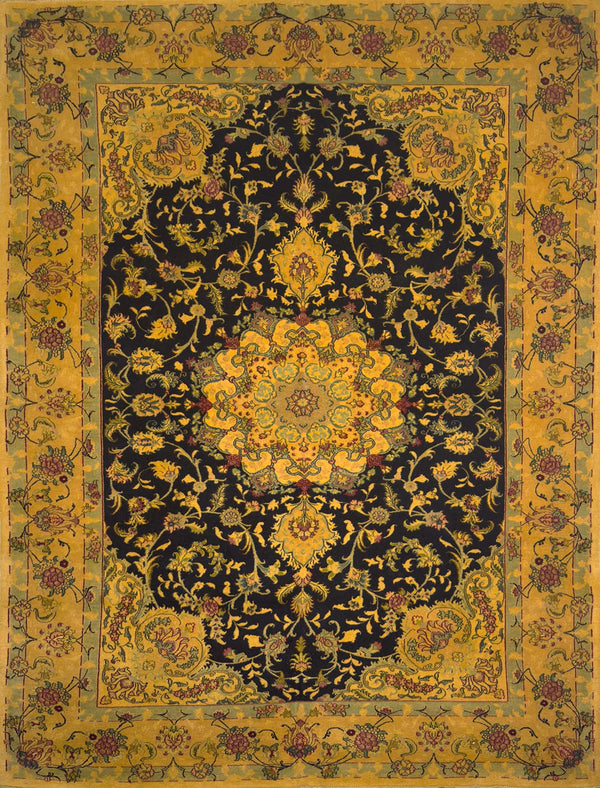
Rug styles define the overall character and aesthetic of a rug, blending pattern, color, and texture. While modern variations exist, still most styles are rooted in traditional designs.
● Traditional / Classic – Timeless patterns rooted in cultural heritage
Traditional
Classic
Traditional
Classic
● Transitional / Modern – A bridge between traditional and contemporary
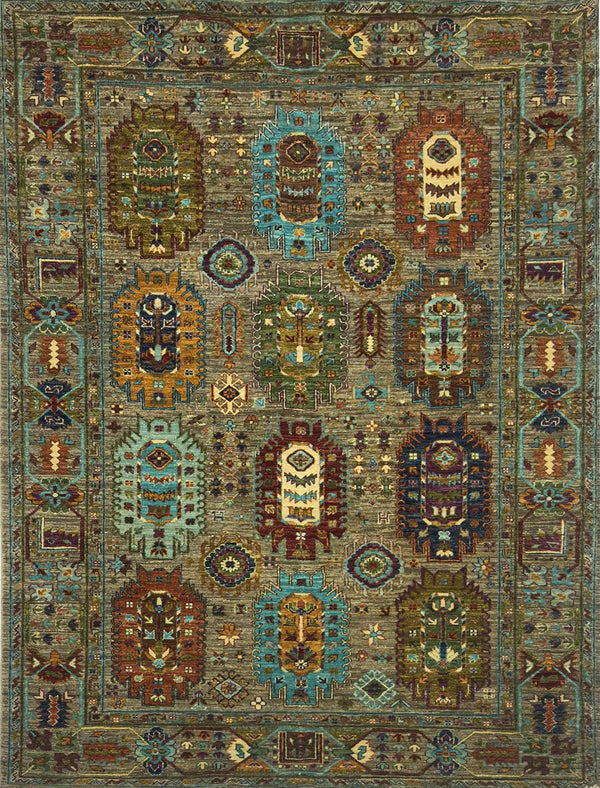
Transitional
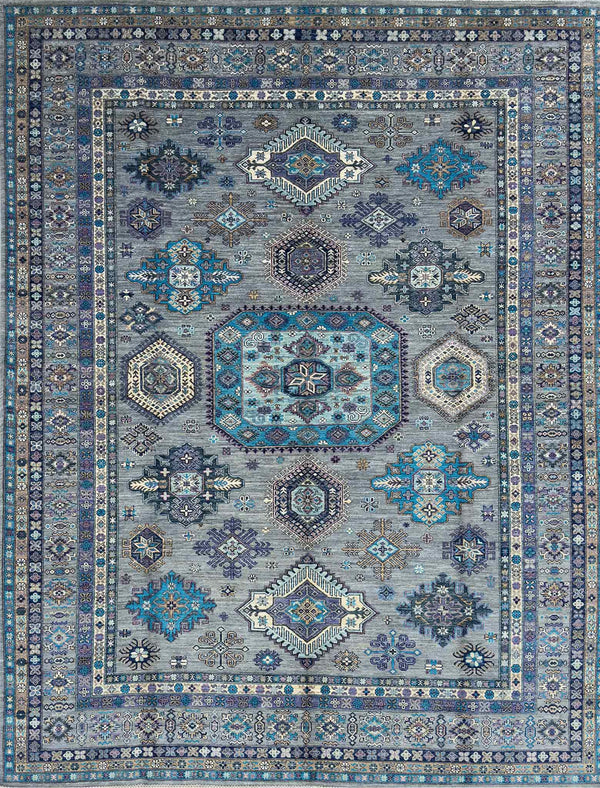
Modern
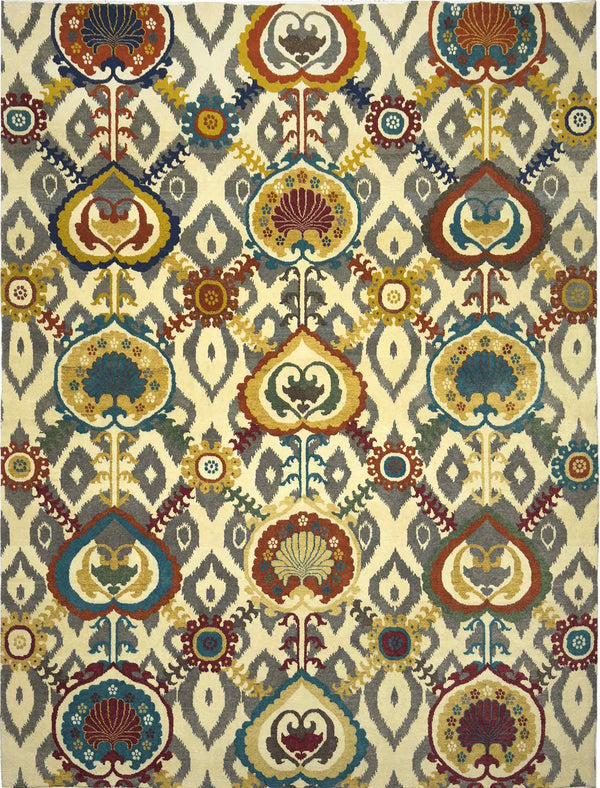
Eclectic
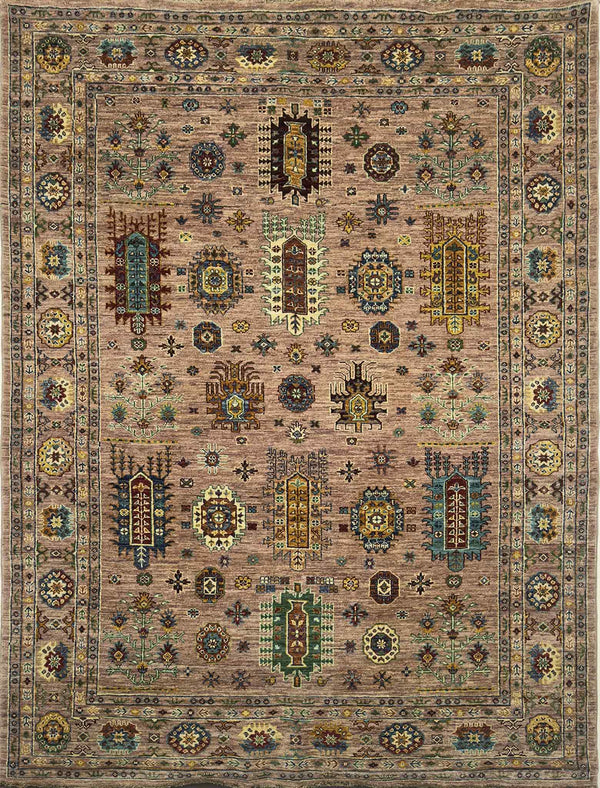
Modern
● Tribal – Authentic, rustic designs inspired by nomadic life
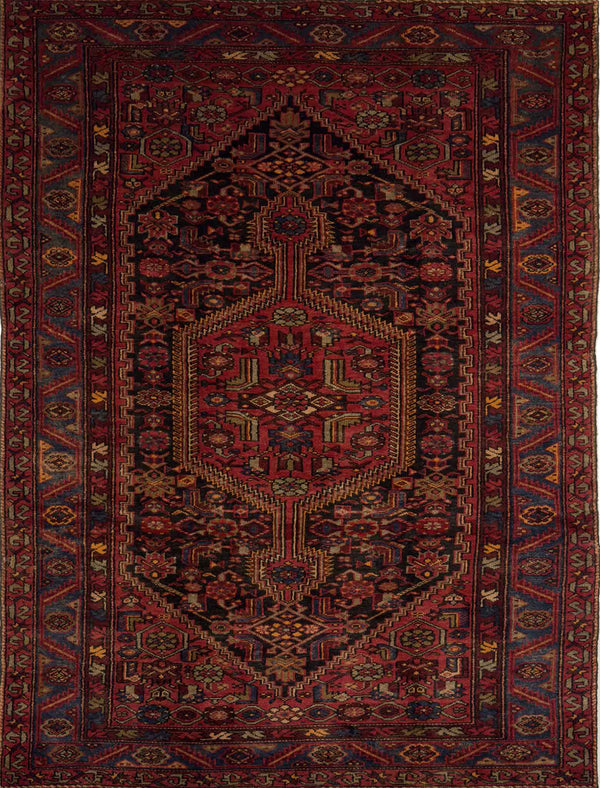
Tribal
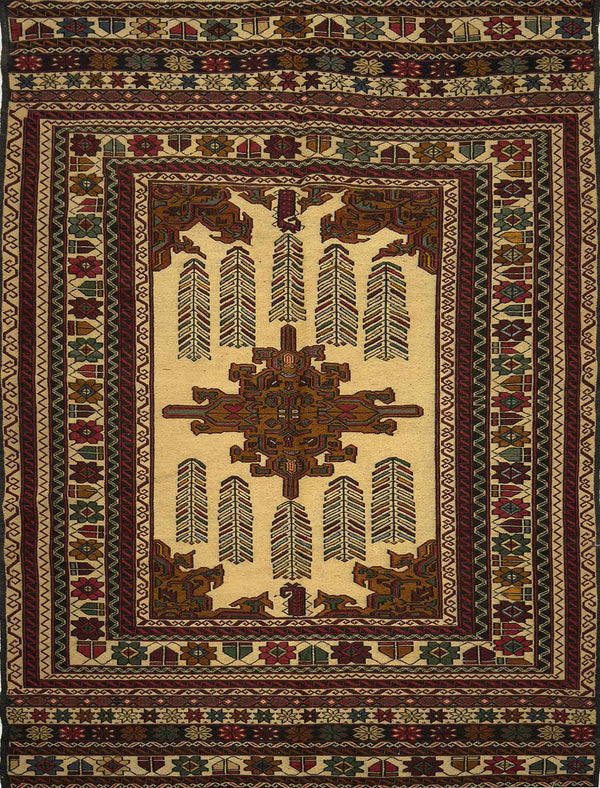
Nomadic
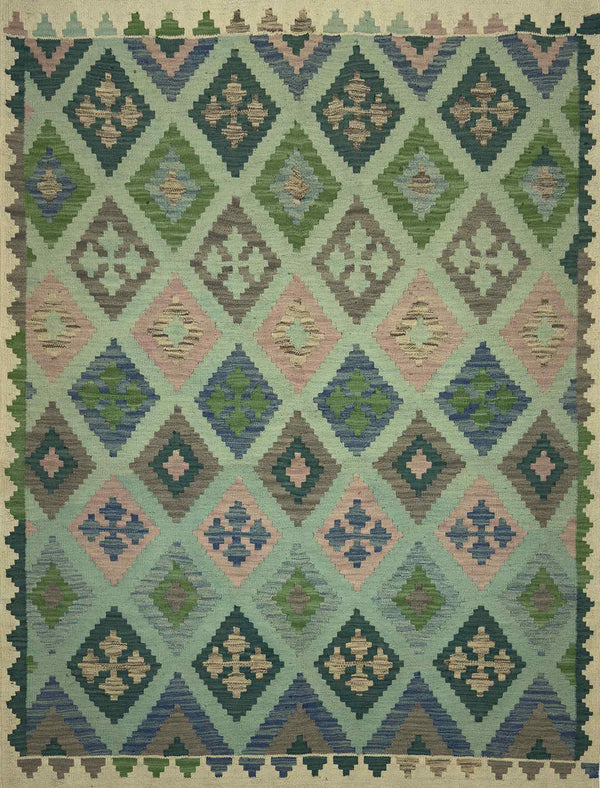
Tribal Flatweave
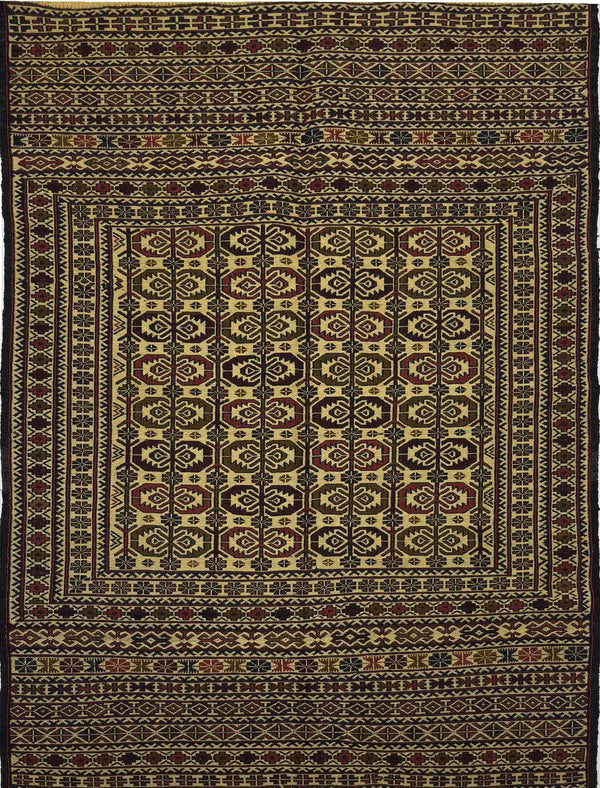
Nomadic Flatweave
● Contemporary – Bold, artistic, and fashion-forward
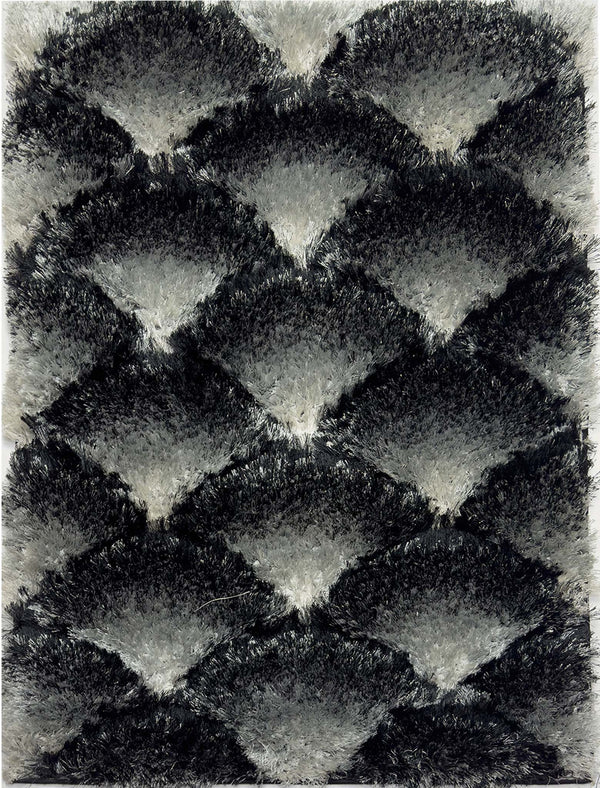
Abstract
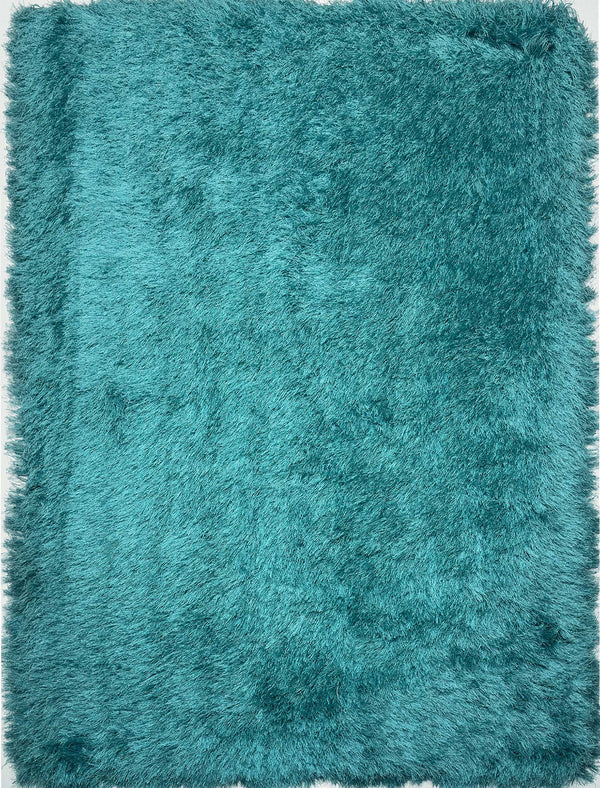
Plain
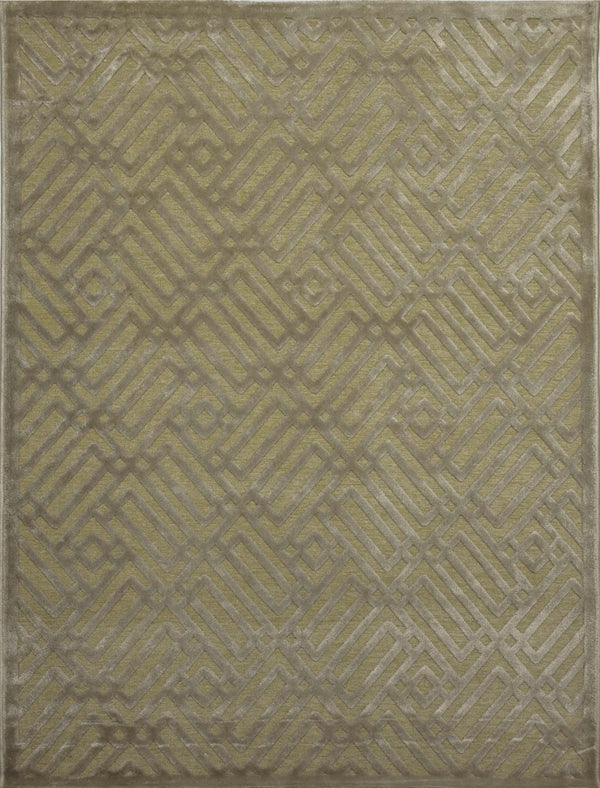
Contemporary
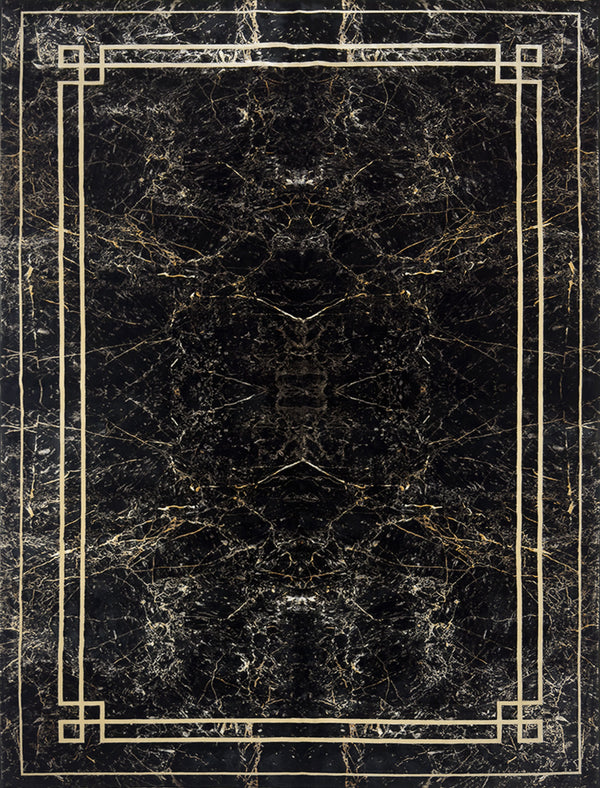
Minimalist
● Vintage / Distressed – Aged aesthetics with a storied look
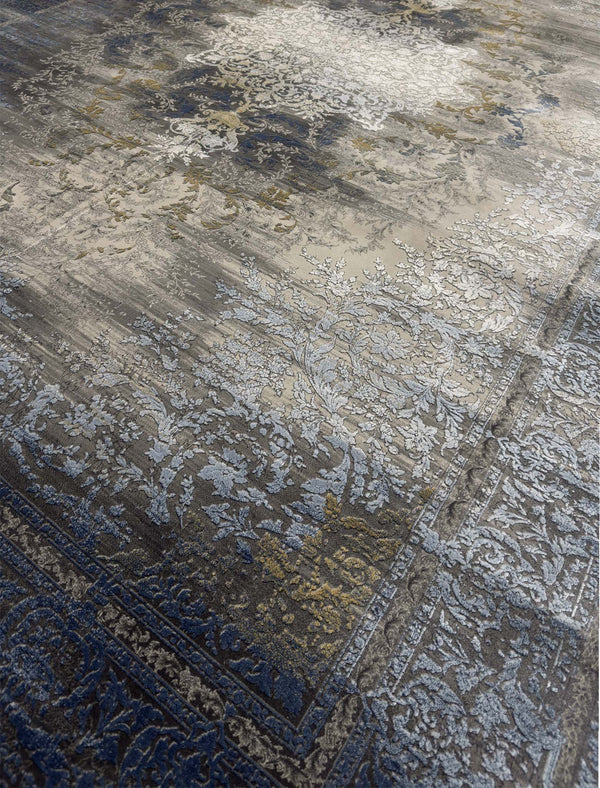
Vintage
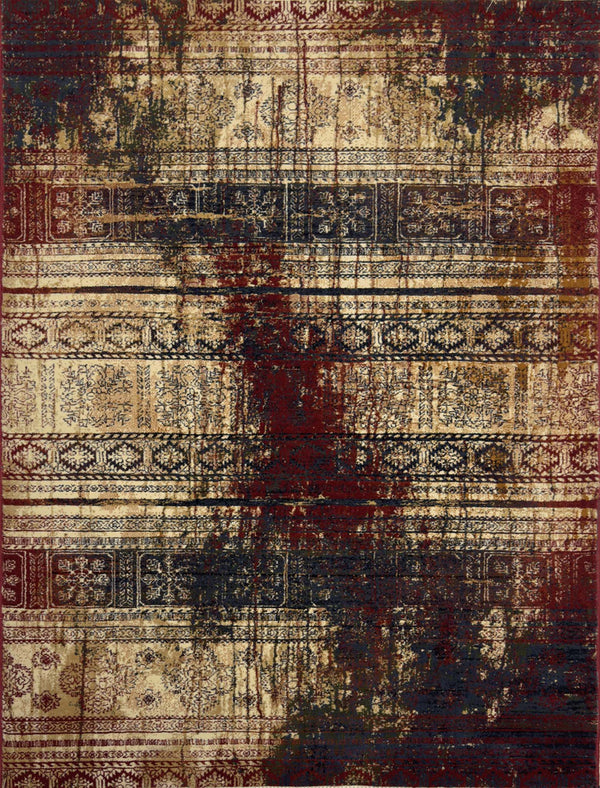
Distressed
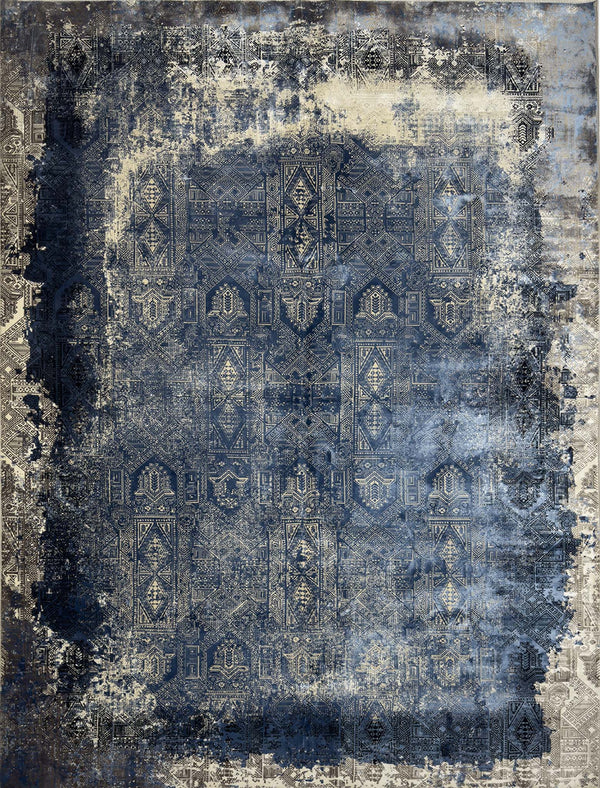
Vintage
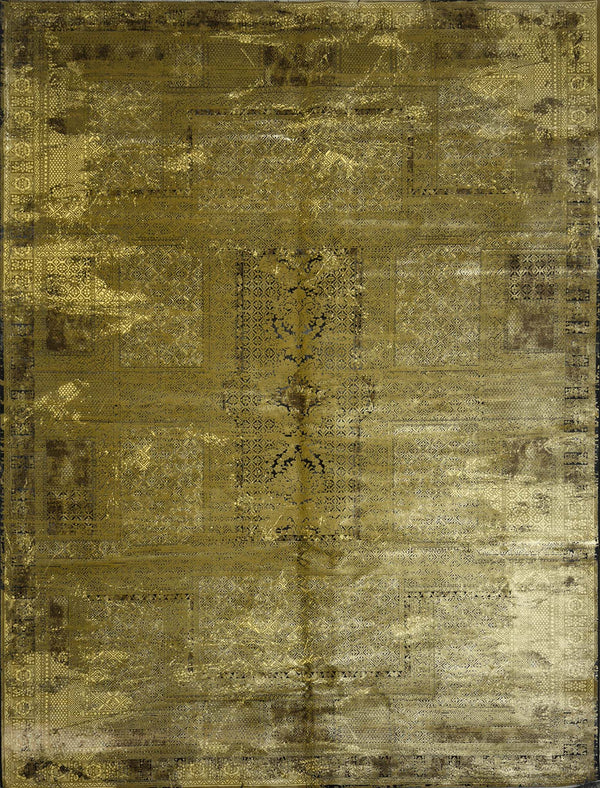
Distressed
Craftsmanship
Handmade rugs are most valued when they showcase intricate detailing and refined craftsmanship. Their true essence lies in the depth of design, precision of patterns, and the artistic skill invested in every knot. When produced in abstract or minimalist styles, they often lose a significant part of this inherent value, as such designs do not fully reflect the time, effort, and traditional expertise that define handmade rugs.
Additionally, within the rug industry, manufacturers have consistently upheld the belief that high-precision, detailed designs enhance not only the immediate appeal of a handmade rug but also its long-term value. Such intricacy contributes to stronger after-sales demand, making these rugs more desirable and valuable over time.